
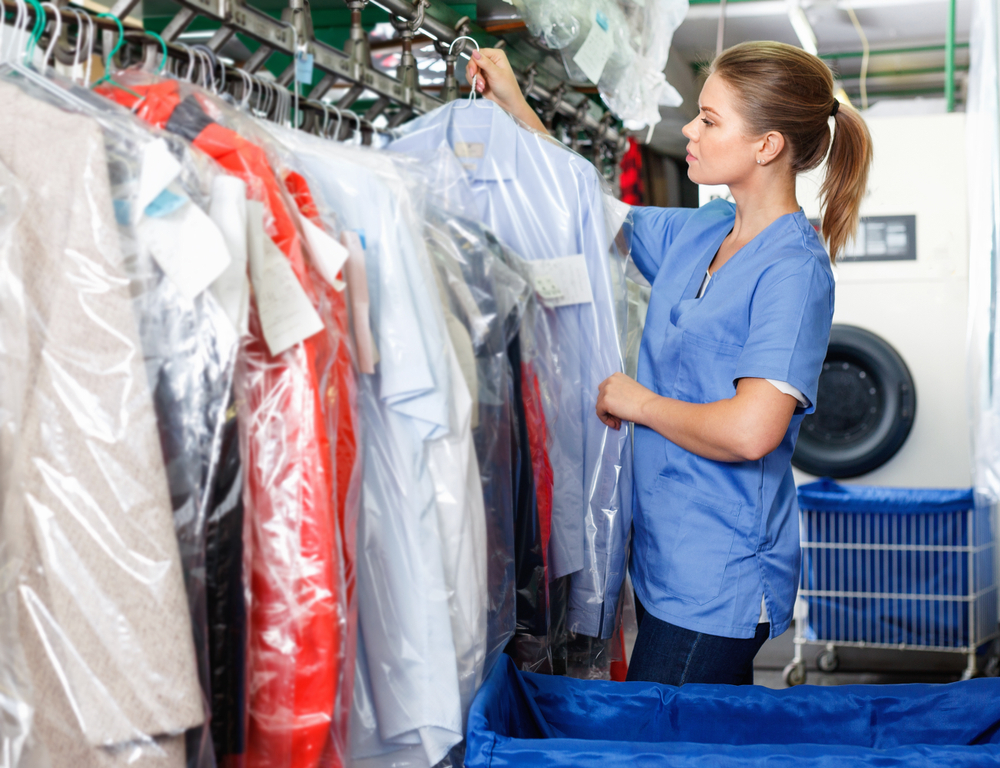
Professionals from all over the world recommend both dry cleaning and wet cleaning, but they don’t always agree on which method is best for every situation. Some fabrics require the chemical-based process of dry cleaning to maintain their shape and texture, while others thrive with the more modern, water-based approach of wet cleaning.
But for everyday people, deciding which one is better for your garments is a tough call. Understanding what each concept even means can be tricky to begin with. Should you take your silk blouse to a dry cleaner or give wet cleaning a try for that delicate fabric? The truth is, both methods have their strengths and specific uses, but knowing when to choose one over the other makes all the difference in how long your clothes last and how good they look over time.
In this post, we help you navigate the options!
Dry Cleaning and Wet Cleaning: Breaking Down How Each Method Works
Dry cleaning and wet cleaning aren’t just in the names. They involve completely different processes, with each approach having its strengths, depending on the type of clothing, the fabric’s sensitivity, and even personal preferences.
All About Dry Cleaning
Dry cleaning isn’t actually dry – it’s called that because it doesn’t involve water. It is often the go-to method for delicate and high-maintenance fabrics, using chemical solvents instead of water to get the job done.
Here’s a look at what happens during dry cleaning:
1. The Use of Solvents
With dry cleaning, your clothes are soaked in an environmentally friendly liquid solvent rather than water. This solvent is excellent for breaking down oils, grease, and other tough stains without causing fabric to shrink or lose shape. Because no water is involved, dry cleaning helps maintain the shape and texture of items such as formal suits, leather jackets, silk dresses, fur coats, and other extra delicate pieces.
2. Gentle Agitation
Once garments are placed into the dry cleaning machine, they are rotated in the solvent, which dissolves dirt and stains. The agitation is much gentler than what you experience with typical laundry. After this cycle, the solvent is extracted, and the clothes are either dried through air exposure or heated gently to evaporate any remaining solvent.
3. Post Cleaning Treatments
After cleaning, garments go through a drying process where any remaining solvent evaporates. Items are then inspected, and any lingering stains are treated manually. Clothes are pressed, steamed, or ironed to restore their appearance, making them look as good as new. This step is particularly important for items like suits, dresses, button-up shirts, and dress shirts, where a crisp, polished look is desired.
All About Wet Cleaning
Wet cleaning, on the other hand, uses water but in a more controlled and gentle manner than your standard washing machine. Here’s how wet cleaning differs from traditional laundering:
1. Specialized Detergents and Machines
Wet cleaning uses water, but not just any water. The process involves specialized detergents that are much milder than what you typically use in your home laundry. The machines are designed to handle delicate items like cotton and linen, with precise control over the water temperature, spin cycles, and moisture levels to avoid shrinkage or damage.
2. Gentle Agitation
One of the key differences between wet cleaning and regular washing is the level of agitation. Wet cleaning machines are programmed to gently move the garments, reducing the friction that can lead to wear and tear on fabrics. This makes wet cleaning ideal for delicate clothing, such as linens and bedding that you want to treat with care.
3. Finishing and Drying
Just like dry cleaning, the finishing process for wet cleaning is vital to ensure your clothes come out freshly cleaned without any damage. After the cleaning cycle, garments are carefully dried using controlled temperatures to prevent any shrinkage or warping. Finally, they are steamed or pressed to remove wrinkles and restore their original shape.
Pros and Cons of Dry Cleaning and Wet Cleaning
This table gives you a clear look at how dry cleaning and wet cleaning stack up against each other. For delicate, high value garments such as suits, leather jackets, and wedding dresses, dry cleaning is often the go-to option. On the other hand, wet cleaning is an excellent, eco-friendly choice for everyday fabrics.
| Factors | Dry Cleaning | Wet Cleaning |
|---|---|---|
| Fabric Care |
Pro: Gentle on delicate fabrics like silk, wool, and leather. Con: Some fabrics may absorb residual chemicals, which can affect texture over time. |
Pro: Safe for natural fibers like cotton and linen. Con: Not suitable for delicate materials that may shrink or warp in water, such as wool or leather. |
| Stain Removal | Pro: Effective at removing oil-based stains, such as grease or makeup. |
Pro: Great for water-based stains like sweat or food spills. Con: Less effective on tough, oil-based stains. |
| Environmental Impact |
Pro: Some modern dry cleaners use eco-friendly solvents. Con: Still requires energy and water, but less chemical waste. |
Pro: More environmentally friendly as it uses water and biodegradable detergents. |
| Cost | Con: Typically more expensive due to the cost of chemical solvents and specialized machines. |
Pro: Generally more affordable, especially for everyday clothing. Con: Can be pricier for larger or more delicate items. |
| Turnaround Time |
Pro: Many dry cleaners offer same-day service for quick garment cleaning. Con: May require longer times for certain items, such as detailed garments like wedding dresses. |
Pro: Quick cleaning process, especially for casualwear. Con: More delicate items may require extra time for air drying and careful handling. |
| Garment Longevity |
Pro: Helps preserve the structure and texture of delicate or structured garments. Con: Repeated dry cleaning can cause wear over time due to chemical exposure. |
Pro: Gentle detergents are less harsh, leading to longer fabric life for everyday clothing. Con: Fabrics prone to shrinking or warping may not last as long. |
| Convenience | Pro: Available in most major cities in the United States, with many cleaners offering mobile app scheduling or pickup services. | Pro: Often offered by eco-friendly cleaners and easy to access for everyday laundry needs. |
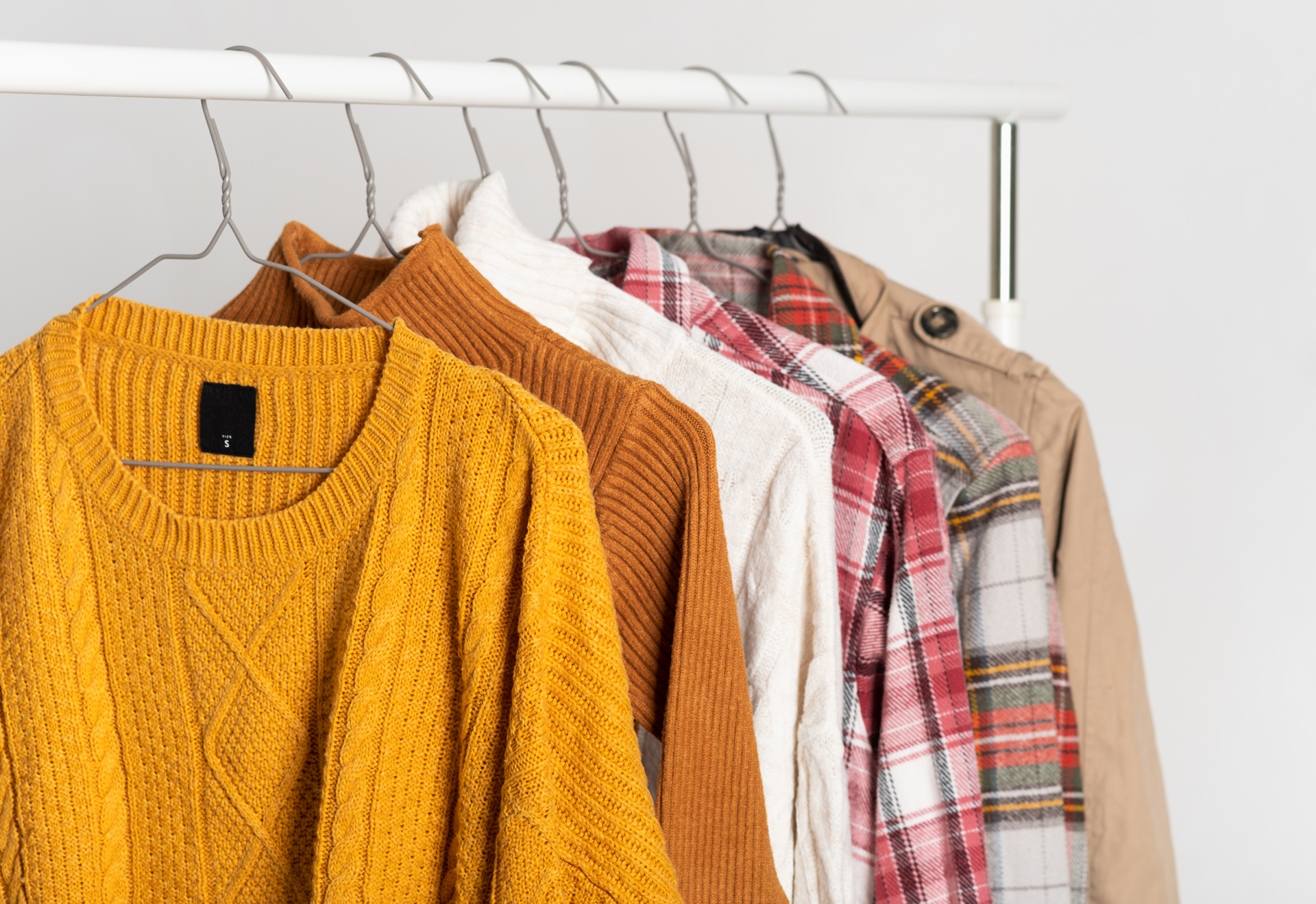
What Garments to Dry Clean or Wet Clean
Garments Best Suited for Dry Cleaning
Some clothes just weren’t made for the washing machine. Here’s a rundown of items that typically fare better with dry cleaning:
1. Delicate Fabrics like Silk and Wool
- Why Dry Clean? These materials can shrink, distort, or lose their luster when exposed to water. Dry cleaning uses solvents that gently remove stains without harming the fabric.
- Examples: Silk blouses, wool suits, cashmere sweaters.
2. Structured Clothing
- Why Dry Clean? Items like suits and blazers have interlinings and shoulder pads that can lose shape with wet cleaning.
- Examples: Men’s and women’s suits, tailored jackets, and formal attire.
3. Special Occasion Wear
- Why Dry Clean? Wedding dresses, evening gowns, and other formalwear often feature intricate details and delicate fabrics.
- Examples: Wedding dresses, prom dresses, tuxedos.
4. Leather and Suede Items
- Why Dry Clean? Water can damage leather and suede, causing it to stiffen or lose its texture.
- Examples: Leather jackets, suede skirts, leather pants.
5. Fur Garments
- Why Dry Clean? Fur can become matted and lose oils essential for its softness if cleaned with water.
- Examples: Fur coats, stoles, and accessories.
6. Embellished Clothing
- Why Dry Clean? Clothes with beads, sequins, or delicate embroidery can get damaged in a washing machine.
- Examples: Evening gowns and decorative dress shirts.
Garments Best Suited for Wet Cleaning
Not everything needs special treatment. Wet cleaning is often sufficient – and sometimes better – for these types of garments:
1. Everyday Wear
- Why Wet Clean? Durable fabrics handle water well and can be thoroughly cleaned with mild detergents.
- Examples: Cotton T-shirts, jeans, and casual shirts.
2. Bedding and Linens
- Why Wet Clean? Items like sheets and pillowcases benefit from water-based cleaning for hygienic purposes.
- Examples: Bedding, linen sheets, and duvet covers.
3. Casual Dresses
- Why Wet Clean? Many casual dresses are made from fabrics that respond well to water and gentle detergents.
- Examples: Summer dresses and cotton sundresses.
4. Athleticwear
- Why Wet Clean? Sports clothing often contains synthetic fibers that are designed to wick away moisture and can be easily cleaned with water.
- Examples: Gym shorts, polyester tops, and yoga pants.
5. Synthetic Fabrics
- Why Wet Clean? Materials like polyester and nylon are generally water resistant and don’t shrink.
- Examples: Windbreakers, swimwear, and synthetic blouses.
Protect Your Clothes with the Proper Cleaning Method – Brite Touch Cleaners is Here to Help!
Ultimately, the choice between dry cleaning and wet cleaning isn’t about one being better than the other – it’s about what works best for your specific garment. At Brite Touch Cleaners, we specialize in professional dry cleaning in Houston and are committed to preserving the quality of your clothing with expert care. Plus, we offer FREE dry cleaning pickup and delivery in Houston, Texas, and beyond!
Call our customer service team at 279-300-1659 for more assistance!