

On the hanger, the dress is everything you wanted. But once you try it on, it’s suddenly too tight in the wrong places, too loose where it matters, or just not sitting the way you imagined. This kind of mismatch can make you question the purchase altogether.
On the brighter side of things, fit problems don’t always mean the dress is wrong for you. Often, they simply mean it hasn’t been tailored to you yet. Understanding that difference opens up more options. Alterations exist for exactly this reason. Small adjustments can make a noticeable difference in how a dress fits and moves.
Is your Valentine’s Day dress feeling off in ways that could be fixed with the right alterations? If so, make sure to read this post until the very end. We’ll share how professional alterations can refine the fit, what’s typically adjustable, and when to schedule alterations so you’re not rushing.
Common Fit Problems with New Dresses
Trying on a new dress can be an emotional moment, especially when you’ve pictured exactly how it should look. When the fit feels off, it’s easy to assume the dress is wrong or that your body is the problem.
In reality, most off-the-rack dresses are designed to fit a general size range rather than individual proportions. That means fit issues are not unusual or unexpected. When you know what’s fixable, planning feels much calmer.
Length Issues That Throw Off the Look
Dress length problems are the most common fit issue. A dress that’s slightly too long can feel sloppy, while one that hits an awkward spot on the leg can look unbalanced.
Common length-related concerns include:
- Hem brushing the floor without heels
- Dress riding up when you walk
- Length looking different front to back
A professional tailor looks at how the dress moves, not just where it falls when you stand still.
Strap and Shoulder Fit Problems
Straps that don’t sit correctly can change the entire structure of a dress. Slipping straps affect neckline placement, while tight straps can pull the bodice upward.
You might notice:
- Straps falling off your shoulders
- Neckline sitting lower than intended
- Fabric bunching near the armholes
These issues often make a dress feel insecure, even if everything else fits well.
Waist Fit That Doesn’t Match Your Shape
Waist fit problems usually show up as looseness, pinching, or fabric folding where it shouldn’t. This is common when a dress is designed for a different torso length or body ratio.
Signs the waist needs attention:
- The dress looks boxy instead of shaped
- Fabric pulls when you sit or move
- Waistline hits too high or too low
Adjusting the waist can improve how the entire dress hangs.
Gaping or Minor Tightness in Key Areas
A gaping neckline or tightness across the bust or hips is often subtle but noticeable. These issues don’t always mean the dress is too small or too big.
Instead, they usually signal that the garment needs refinement in specific areas rather than a full size change.
Dress Alterations That Are Most Commonly Performed
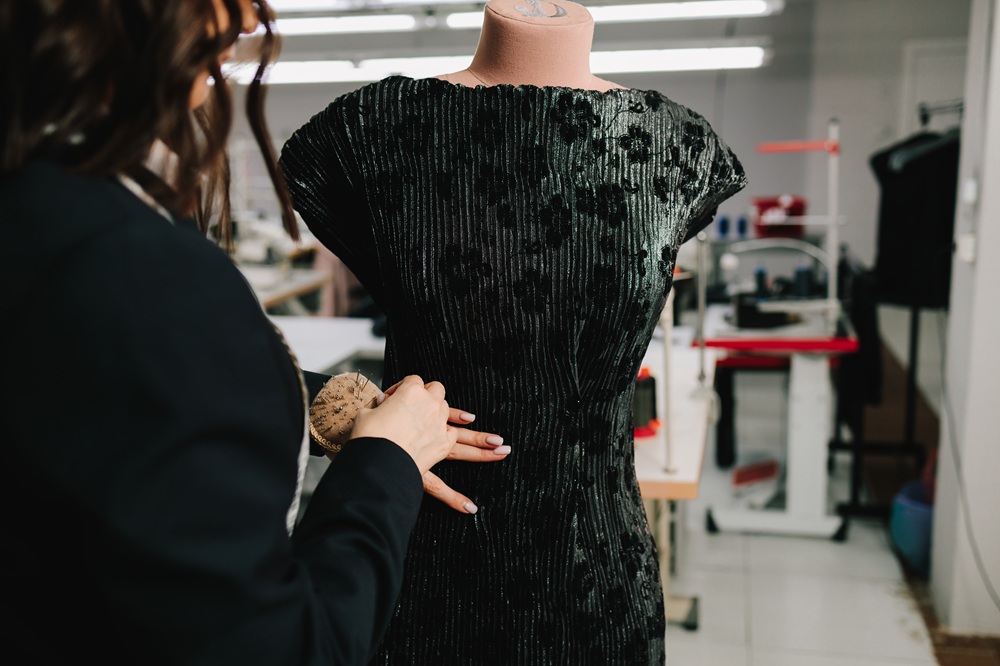
Once fit issues are identified, the next step is to understand which alterations can realistically fix them. Most event dresses don’t need major reconstruction. Instead, they benefit from a few targeted adjustments that improve comfort, shape, and confidence.
These are the alterations tailors perform most often because they deliver noticeable results without changing the original style of the dress.
Hem Adjustments That Improve Proportion
Hemming is one of the most effective ways to improve how a dress looks. A well-done hem makes the dress feel intentional and balanced.
Tailors consider:
- Heel height and shoe style
- Dress silhouette and fabric weight
- How the dress moves when walking
A good hem should look effortless, not obvious.
Strap Shortening for Better Support
Shortening straps helps reposition the dress so it sits where it was meant to sit. This can improve neckline shape and overall comfort.
Benefits of strap adjustments include:
- Improved bust support
- Reduced gaping or slipping
- Better posture and balance
Taking In or Letting Out Seams
Seam work allows tailors to fine-tune fit through the waist, bust, or hips. This creates shape without altering the personality of the dress.
Seam adjustments can help with:
- Removing excess fabric
- Relieving tight spots
- Improving symmetry
Minor Bodice Refinements
Bodice adjustments address issues such as puckering, gaping, or uneven structure. These tweaks help the dress sit smoothly against your body.
They often involve:
- Adjusting darts
- Reinforcing structure
- Improving alignment
What to Take to Your Alteration Appointment
A successful alteration starts with a productive fitting. What you take to your appointment directly affects the accuracy of the work. Tailors rely on real-world context to make precise adjustments. Showing up prepared helps avoid guesswork and reduces the need for multiple fittings.
Shoes You Plan to Wear to the Event
Shoes change everything, especially the length of the dress and your posture. Even a small heel can affect how a dress hangs.
Take:
- The exact shoes you’ll wear
- Or shoes with the same heel height
This ensures the hem is set correctly the first time.
Undergarments That Affect Fit
Undergarments influence how fabric sits against your body. Bras, shapewear, or slips can change measurements and silhouette.
For the best results:
- Wear the undergarments you plan to use
- Avoid “temporary” options you won’t wear later
This helps the tailor adjust the dress to your actual shape.
Accessories That Change the Look or Fit
Belts, sashes, or statement pieces can shift how a dress sits. Even small accessories can affect waist placement or balance.
If accessories are part of your outfit:
- Take them to the fitting
- Mention how you plan to style them
This allows the tailor to make smarter adjustments.
How to Improve Your Chances of a Successful Alteration
Alterations work best when expectations, timing, and communication align. Many issues people experience come from waiting too long or being unclear about their needs. A little planning can make the process smoother and more satisfying.
These steps help ensure your dress is ready when you need it and fits the way you want.
1. Schedule Early to Avoid Stress
Last-minute alterations limit what can be done. Even simple changes benefit from extra time.
Early scheduling allows for:
- Proper fittings
- Minor adjustments after initial work
- Flexibility during busy seasons
It also reduces the pressure on both you and the tailor.
2. Be Clear About Your Deadline
Tailors need to know when you need the dress. Event dates help them prioritize and plan appropriately.
When dropping off your dress:
- Share your event date clearly
- Ask about turnaround time
Clear timelines prevent rushed results.
3. Communicate How You Want the Dress to Feel
A good fit should feel right, not just measure right.
During your fitting:
- Speak up if something feels off
- Share how you plan to move, sit, or dance
4. Trust Professional Guidance
Experienced tailors understand garment structure. They may suggest adjustments you hadn’t considered.
Being open to their input can:
- Improve overall fit
- Prevent future issues
- Lead to better long-term results
Alterations work best as a collaboration.
When Your Valentine’s Day Dress Needs Adjustment, Brite Touch Cleaners Can Help
If your Valentine’s Day dress isn’t sitting the way you hoped, expert alterations from Brite Touch Cleaners can refine the fit and help you feel confident the moment you put it on. Our skilled tailors specialize in precise, custom alterations that enhance your shape while preserving the original style, whether it’s a cocktail dress, designer piece, or evening gown.
With Valentine’s Day right around the corner, now is the time to schedule your fitting so there’s plenty of room for adjustments without the stress of rushing.
Call Brite Touch Cleaners or stop by our Houston location today to book your alteration appointment and secure your spot before our schedule fills up.